
Safak Tuna, responsible for bol’s logistics operation, explains the choices made behind the scenes, and why they ultimately shape the customer experience.


When people think about logistics, they often picture warehouses, roll cages, and delivery vans. But a large part of the work actually takes place at bol’s headquarters. Every day, dozens of colleagues work on coordinating the logistics operation behind the scenes: from forecasting and capacity planning to incident management and delivery promises. What does that look like in practice? Safak offers a glimpse behind the scenes.
What exactly do you do at bol?
“I’m responsible for bol’s logistics operation. In short, that means working together with our teams to ensure that everything customers order, both from bol itself and from selling partners that use our logistics services, is processed correctly, with the right quality, at acceptable costs, and with sufficient capacity.
That may sound quite abstract, but logistics touches almost everything we do at bol. Whether it’s about new products, new delivery options, or changes in how we serve customers and partners, at some point it all comes back to logistics. As a result, a large part of my role involves coordination, making decisions, and looking ahead. And sometimes it’s about solving problems when something goes wrong in the operation.”
What does that look like at headquarters?
“The logistics operation consists of around 130 people, spread across different teams that manage the entire chain together. A large part of those teams is based at our headquarters, and far more happens here than people often realise.
We have teams focused on forecasting and planning, returns, delivery partners such as PostNL and DHL, and everything that happens in our warehouses. Most of the execution takes place elsewhere, but the coordination happens here. You can think of it as a control room. We continuously monitor whether we’re meeting our targets, where we need to adjust, and what that means for customers and partners.”
What makes logistics at bol complex?
“Many people associate logistics with warehouse operations, but a large part of it is actually about coordination and collaboration. We work with many external parties, while still maintaining responsibility for how the entire chain performs.
If just one link in the chain functions differently than expected, it can affect everything else. Fortunately, things go right most of the time, so much so that it almost becomes invisible. But that’s exactly what makes it challenging: ensuring that a large, constantly moving network keeps running smoothly nearly all the time.
Of course, there are minor incidents every day, a disruption, a sudden volume peak, but these are usually resolved quickly. Occasionally, however, something bigger happens, such as the fire we recently experienced at one of our warehouses.
At moments like that, you immediately see how much is connected. A broad group of people comes together to determine the impact and decide what needs to happen next. From on-site safety to communication with customers and partners, everything comes together. You assess what’s needed to manage the situation, whether delivery promises need to be adjusted, and how to minimise the impact.
It’s in moments like these that you realize how much work lies behind what seems like a simple delivery.”
What kinds of choices do you have to make?
“It often comes down to balancing quality and cost. You want to serve customers and partners as well as possible, but you can’t add unlimited capacity to absorb every situation.
What always comes first for us is delivering on what we promise. If we have made a commitment to customers or partners, it has to be accurate. Sometimes that means making adjustments. For example, we may temporarily change a delivery promise because otherwise we would be saying something we can’t actually deliver.
That’s not always the easiest choice, but it is the right one. Our customers and partners need to know exactly what they can expect.”
What do you enjoy most about this work?
“The role is incredibly broad. You have an impact on so many areas: customer satisfaction, costs, and growth. And something happens every day, which means you constantly need to adapt and make decisions.
What gives me energy is being able to move quickly and make things happen. We have a lot of freedom to improve things and see the direct impact of what we do.
It’s also very people-oriented work. You collaborate continuously with a wide range of teams and logistics partners.
What I’m most proud of is that this highly complex network runs smoothly 99 percent of the time. That may seem obvious from the outside, but an enormous amount of work goes into making that happen. Ultimately, the real strength lies in how all those teams, both internal and external, work together to make it possible.”
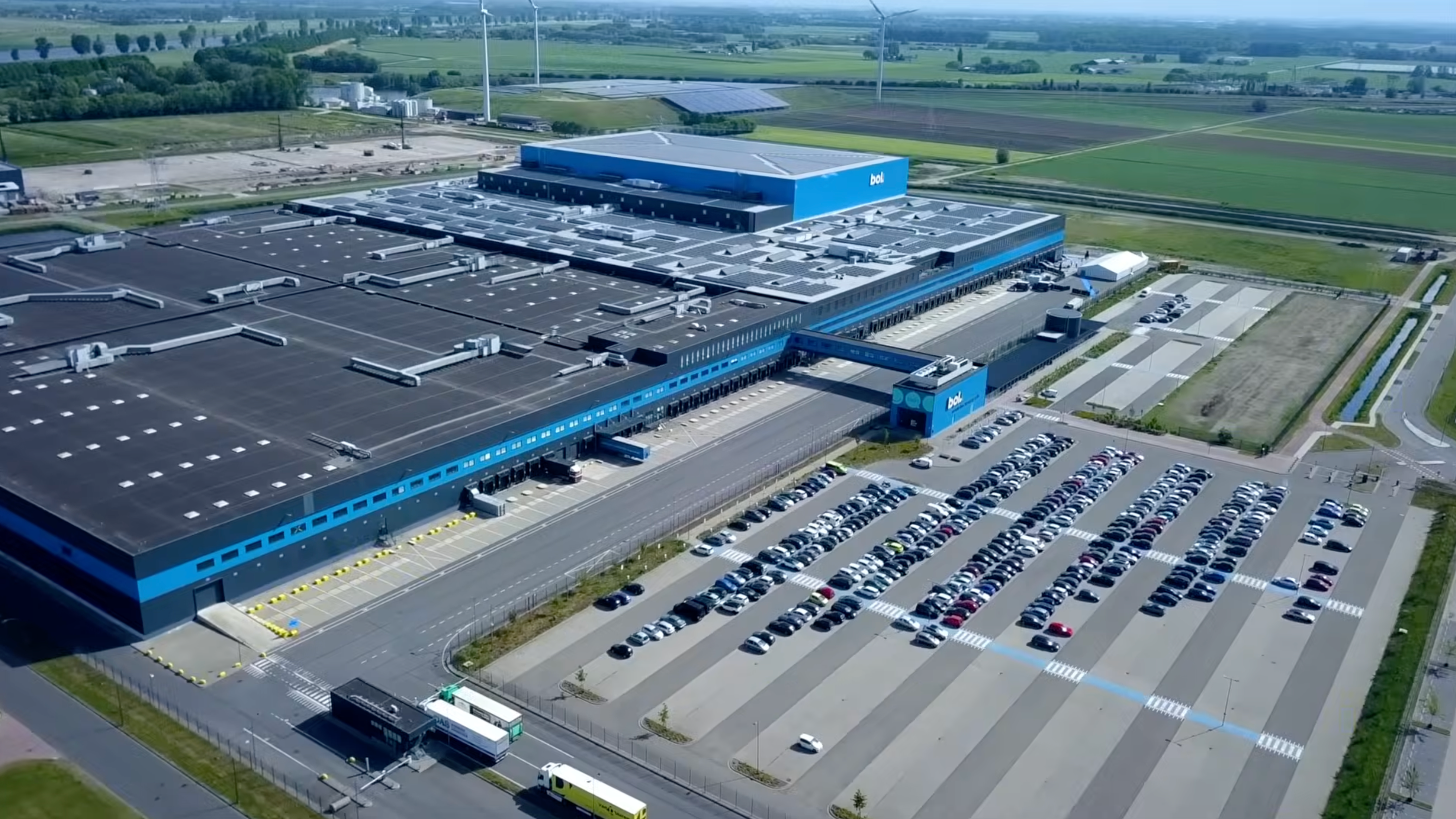
Bol showcases the beating heart of its logistics operation in new video ‘From bol to bell’
Fast delivery starts with smart innovation: where technology and teamw...